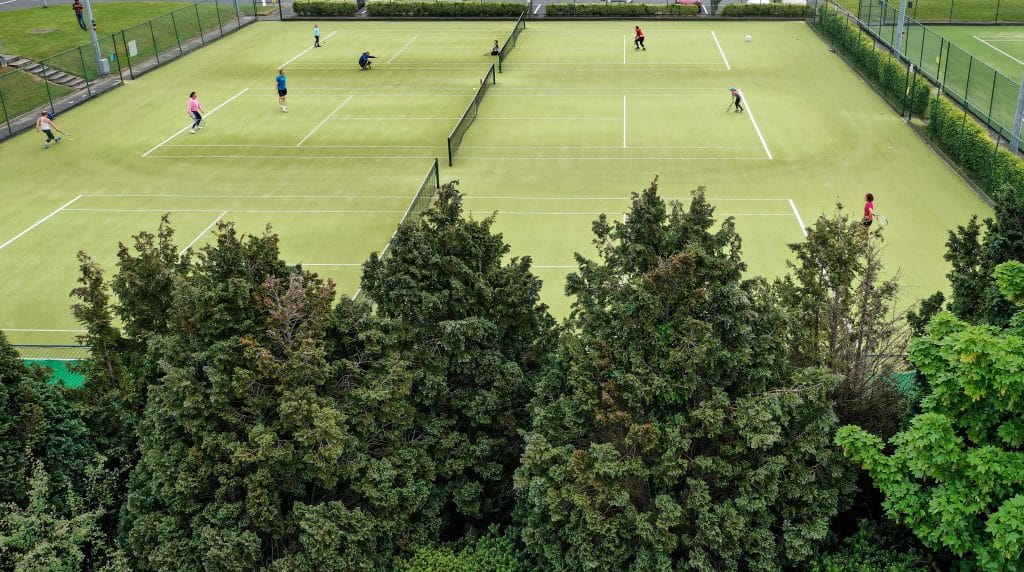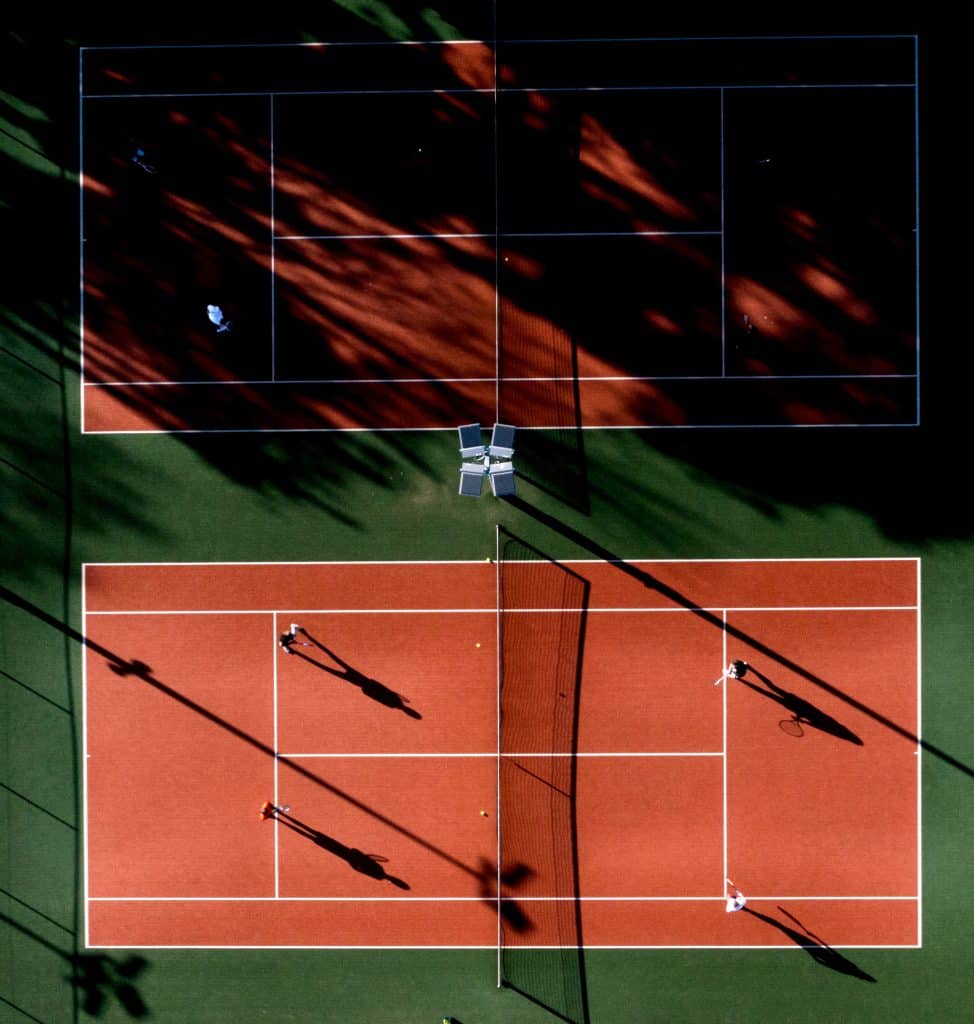

Which court surface is best to play on to develop a complete game? SLOW COURTS, such as clay or artificial clay, force a player to fully develop all aspects of their game.
Four areas in tennis must be mastered to become a complete player. The speed of the surface you learn and play on affects each of them:
TECHNIQUE: Rallies on slow courts tend to last longer, so players develop sound technique that allows them to be consistent. Consistency is the fundamental building block of winning tennis.
STRATEGY AND TACTICS: Since it’s harder to hit a winning shot on slow courts, players are forced to learn how to `construct` a point. They become expert at moving an opponent around, finding and hitting to a weakness, and recognizing when to be patient and when to ‘go for it’.
PHYSICAL: Longer points require more movement and greater physical effort. Players who regularly train and compete on slow courts often develop excellent stamina and court coverage.
MENTAL: Long rallies also tend to test a player mentally – nobody wants to lose a rally that has gone on for 20 shots. Slow courts give players regular opportunities to develop patience, concentration and resilience under pressure. The more often they face demanding points, the more comfortable they become when the pressure is on.
IN SUMMARY
Playing on slow courts encourages you to become more consistent, tactically aware, physically fit and mentally strong. If you want to build a solid and complete game, slowing things down is an excellent place to start.
Here’s the latest article in our Tennis Unlocked series by Peter Farrell, one of Ireland’s most experienced coaches. The series will build into a library of knowledge, specifically designed for club-level players, that can help make your match play more effective.