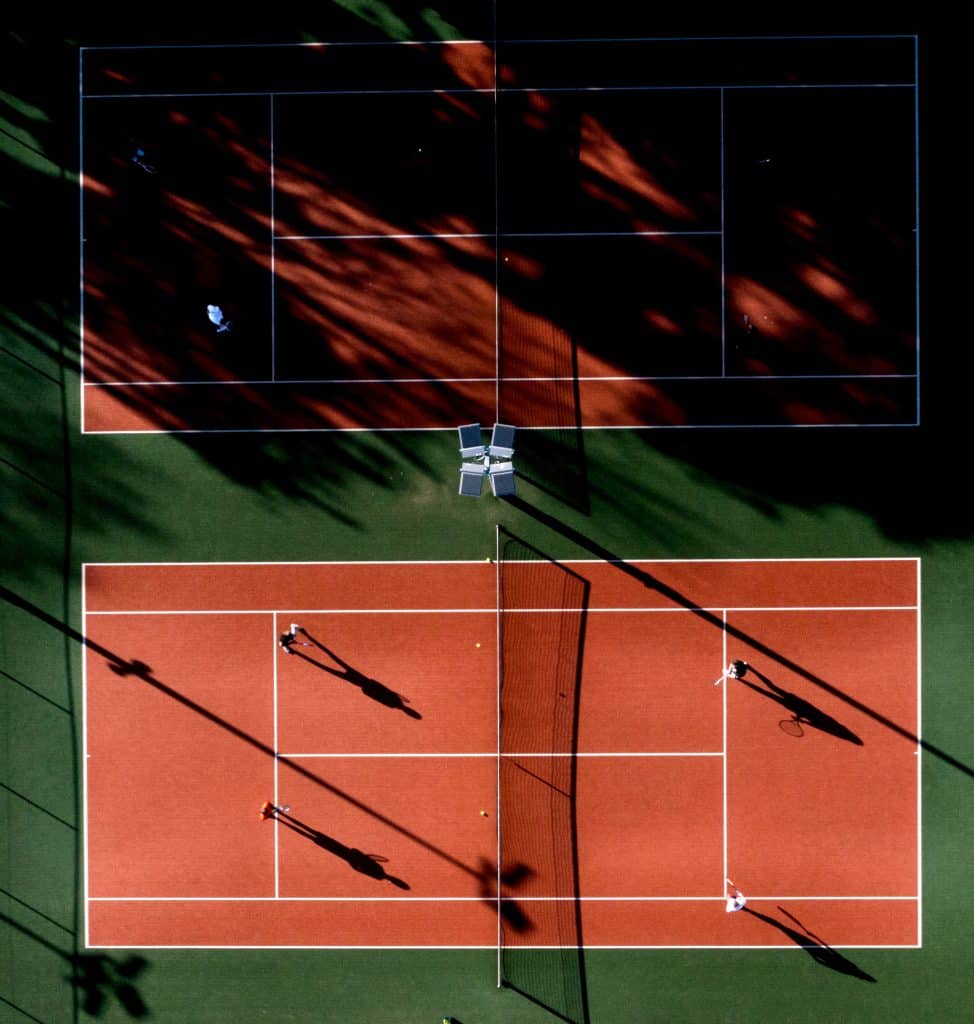

An important element of effective matchplay is the ability to keep your opponent guessing. The more your opponent is worrying about what you might do, the less she is concentrating on what she intends to do.
Example: your opponent’s second serve is weak. Yes, you should attack it. But if you always go for a winner, a clever server will start to anticipate what is going to happen. As the match progresses, she will be more and more prepared for your ‘usual return’.
What Does This Mean For Your Tennis?
It’s important to vary how you deal with situations that occur on a regular basis. In the case of returning a weak serve, what options do you have?
- `Chip and Charge` – treat the short serve as an opportunity to make your return of serve an approach shot. This puts the server under immediate pressure to pass you.
- Drop Shot – as the server is recovering after her serve, she may not be ready to sprint forward. The drop shot is an easy option for you if the second serve has bounced short.
- Winner – if the opportunity is there and you are hitting the ball well, it’s time to turn up the power. Your opponent won’t know it’s coming, because you haven’t attempted a winner off every weak serve.
By mixing up your plays, you stay unpredictable. And in tennis, unpredictability is a big advantage.
Here’s the latest article in our Tennis Unlocked series by one of Ireland’s most experienced coaches, Peter Farrell. The series will build into a library of knowledge, specifically designed for club-level players, that can help make your match play more effective.